April 20, 2026
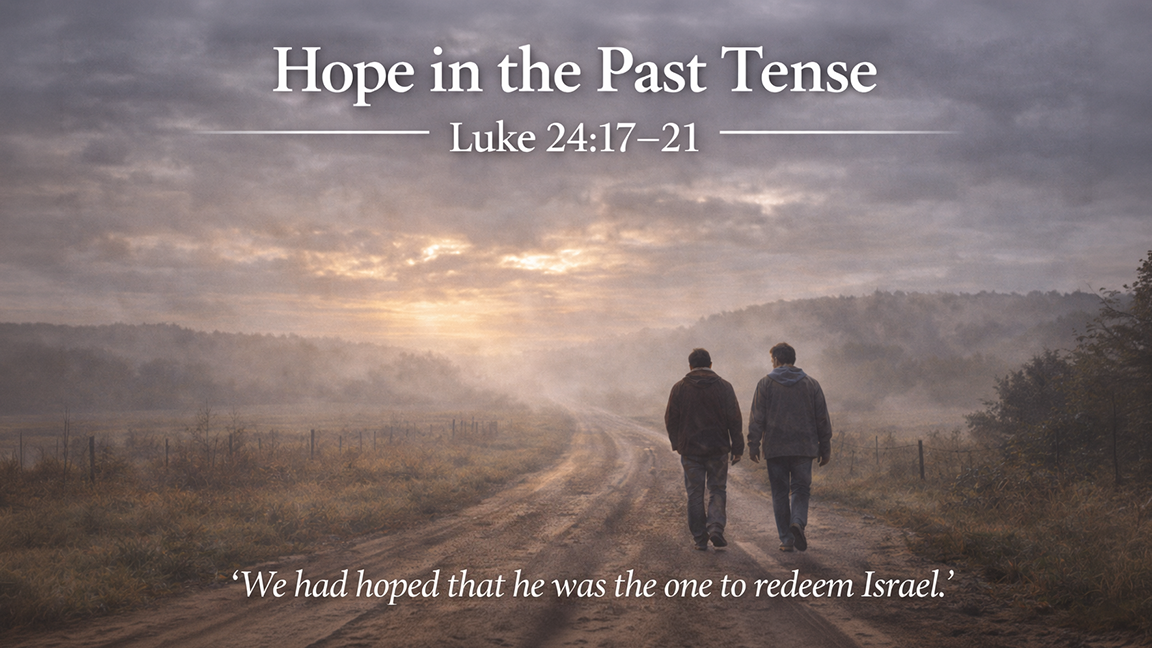
In Luke 24:17–21, the disciples tell the stranger on the road about Jesus and confess, “We had hoped” that He was the one to redeem Israel. Their words reveal deep disappointment and shattered expectation. The passage captures the ache of faith wounded by grief, while also setting the stage for Christ to restore what sorrow has pushed into the past tense.
Devotional: There is something especially painful about saying, “I had hoped.” It means the heart once reached forward with expectation, but now it has pulled back. It means something mattered. It means you trusted, prayed, imagined, waited, and now you’re not sure what to do with what did not happen the way you thought it would. That line from the Emmaus road is honest in a way that reaches right into real life.
A lot of people carry hope in the past tense. I had hoped this relationship would heal. I had hoped this diagnosis would change. I had hoped this church season would turn out differently. I had hoped I would feel stronger by now. It’s not unbelief to admit disappointment. Sometimes it is the truest prayer we have. The disciples did not hide their sorrow from Jesus, even though they did not know it was Jesus yet. They told the truth, and He stayed with them.
That matters because Christ is not driven away by our honesty. He can handle the sentence we barely want to say out loud. He can meet the places where our faith feels bruised. He does not shame disappointed people. He meets them there and begins, patiently, to restore what grief has flattened.
Sometimes hope returns quietly. Not all at once. Not with fireworks. It returns in the steady presence of Christ. It returns when Scripture begins to speak again. It returns when the heart that had gone numb begins to stir. The disciples’ hope was not dead. It was wounded and confused, but Jesus was already walking with them toward its restoration.
If your hope feels stuck in the past tense today, bring that to God without dressing it up. Christ can do something with that kind of honesty. He is still able to meet disappointed hearts and breathe hope into them again.
Action: Finish this sentence honestly before God today: “I had hoped…” Then sit quietly and ask Jesus to meet you in that place.
Prayer: Gracious Lord, You know the places where disappointment has settled into my heart. You know the hopes I once held tightly and the sorrow I carry now. Thank You that I do not have to hide those things from You. Meet me in the places where my hope feels bruised and tired. Help me trust that You are still at work, even when I do not understand. In Jesus’ name I pray. Amen.
Thought for the Day: Jesus can meet the hopes that sorrow has pushed into the past tense.
There is a particular ache in the words, “We had hoped.” Luke 24:17–21 gives voice to the kind of disappointment that settles deep in the heart when life turns out differently than we prayed, planned, or believed it would. This devotional speaks to those moments when hope feels bruised and faith feels tired. The good news is that Jesus is not driven away by honest sorrow. He meets disappointed hearts with patience, grace, and the quiet beginning of restored hope. If you have been carrying loss or confusion, this reflection is for you.